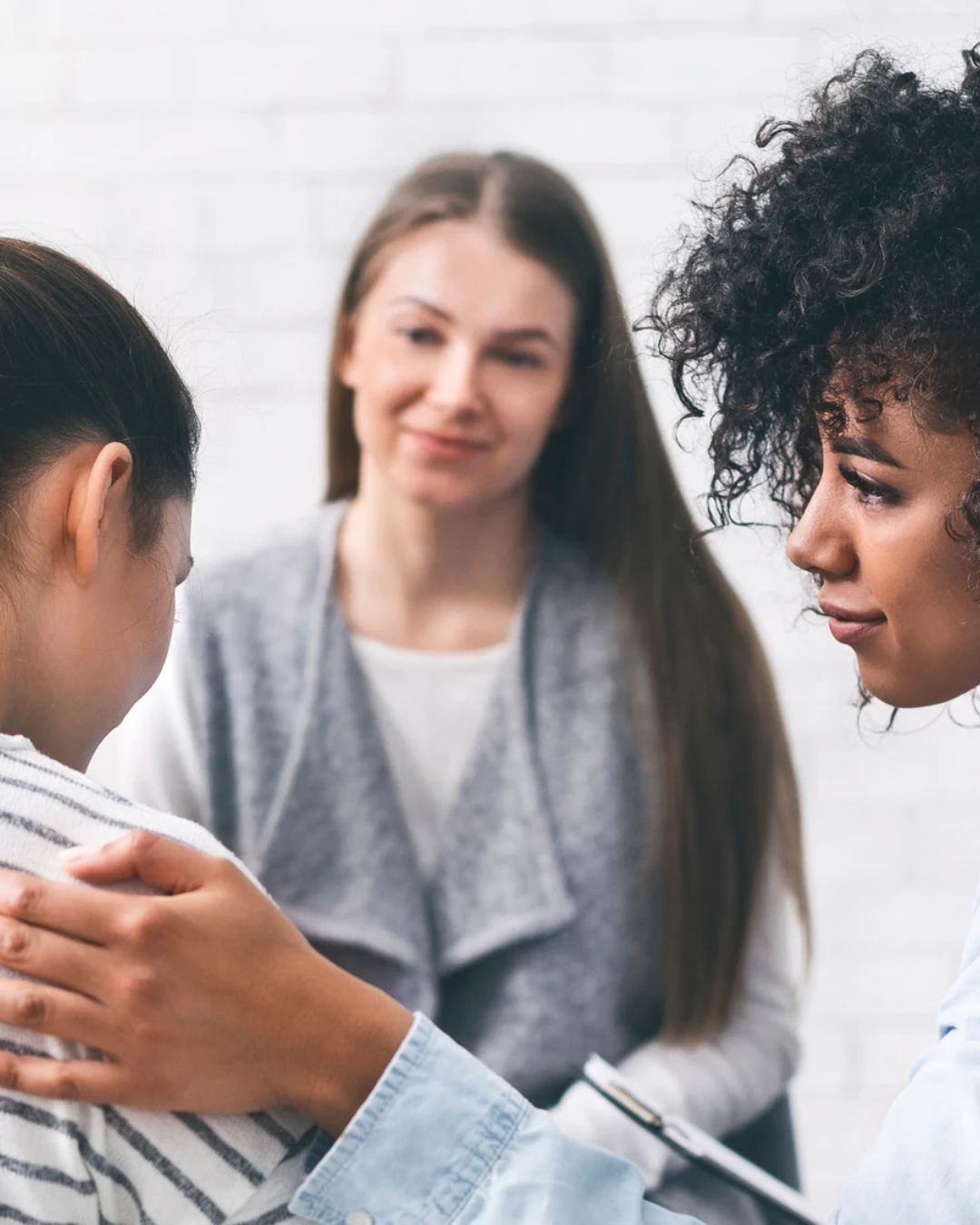

Support Groups: Domestic & Sexual Violence
At YWCA Northeast Indiana, we are dedicated to providing a safe, supportive environment for survivors of domestic violence and sexual violence. Our support groups offer a space to connect, share experiences, and find strength alongside others who understand your journey.
Led by compassionate facilitators, these groups are designed to empower participants, foster healing, and build resilience. Scroll down to learn more about the specific support groups we offer and how to participate. Your path to recovery and community begins here.
For more information about when these groups are happening and where, please contact our Advocacy Team at advocatecoords@ywcanein.org.
Domestic Violence: Adult
A safe, confidential, and welcoming space for adults who have experienced domestic violence. Facilitated by trained professionals, this group provides emotional support, practical resources, and a sense of community for survivors. Topics range from identifying healthy relationships and red flags, obtaining and maintaining independence, and more. Participants are encouraged to share their stories, learn coping strategies, and build connections with others who understand their experiences. Whether you are newly seeking support or continuing your journey, you are not alone—our group is here to help you move forward.
Secondary Survivor Support Group
The purpose of this group is to provide education, emotional support, and connection for parents, caregivers, and guardians of youth survivors of sexual violence. Through weekly psychoeducational content and guided discussions, participants will explore ways to navigate their own experiences as secondary survivors while also supporting the healing journey of the primary survivor.
Topics Include: Sexual Violence 101, Trauma, Secondary Trauma, Living as Both a Primary and Secondary Survivor, Triggers & Coping, Communication, Negative Thinking, Trust & Betrayal, Guilt & Self-Compassion, Self-Care, and the Stages of Healing.
This group aims to foster a supportive and understanding environment where participants can gain knowledge, share experiences, and build connections with others navigating similar circumstances. Ultimately, the Secondary Survivors Support Group seeks to remind participants that their experiences matter, and that they, too, deserve support throughout the healing process.
Youth Survivors Support Group
The purpose of this support group is to provide youth survivors of sexual violence, ages 12-17, with a safe, supportive, and facilitated environment to learn, connect, and explore their experiences alongside peers. Through psychoeducation, interactive activities, guided discussions, and games, participants will develop a better understanding of trauma, build coping skills, and explore tools to support their ongoing healing. To help maintain a safe and supportive environment, participants will never be required to share personal details about their experience. Participation in discussions and activities will be encouraged, but participant’s comfort and boundaries will always be respected.
Topics Include: Sexual Violence 101, Abuse & Trauma, Boundaries & Consent, Window of Tolerance & Triggers, Coping Skills, Emotions, Self-Esteem, Online Safety, Healthy Relationships, Self-Care, Stages of Healing, and Building Routines.
This group emphasizes that healing is an individual process and that every participant deserves support, understanding, and the opportunity to heal at their own pace. Prior to each session, the facilitator will notify parents or guardians of the upcoming topic, allowing them and the participant to determine whether the participant feels comfortable attending that session.
Sexual Violence: Adult
The purpose of this group is to provide a place of connection and emotional support for survivors of sexual violence of any kind. The group focuses on 12 topics dedicated to providing educational content, open discussion, and activities to promote healing and moving forward after experiencing sexual violence. The topics include: self-care, self-esteem, grief, triggers and coping, self-blame and shame, healthy relationships, boundaries, support systems, anger, fear and self-forgiveness.